.svg)


In the field of sustainability, it’s easy to focus solely on businesses as the primary polluters. However, the reality is that we sometimes forget about the significant influence of individual emissions during the process of relocation. Going through a life transition such as moving to a new country is a significant opportunity for changing routines and habits. According to research, people are more receptive to new ideas, proposals, and information during significant life transitions like moving homes or employment. (1) Encouraging and educating the assignees about sustainable options during the process could positively impact Scope 3 company emissions and help the assignee develop longer-term, more sustainable habits beyond the assignment period. These individual employee or assignee emissions are a unique opportunity for Global HR and Mobility managers to empower their employees to act for the planet’s benefit, particularly during a relocation.
Environmental values
To be able to encourage the assignees to think about their choices also from an environmental perspective, it is important to understand what factors motivate individuals to take such actions. And this is where it comes down to the values of the individual. Individuals whose self-identity is strongly guided by biospheric values (caring about the environment) motivates them to support and take climate action on a consistent basis. However, the research suggests that these actions are also motivated by the group values and identities the individuals belong to. And the more the person is identified with the group the more likely his/her action towards this direction will be supported.
“Making people aware that others also strongly value the environment could be a critical strategy to motivate climate action, particularly for individuals that are not strongly personally motivated.” (2)
It is better to consider the motivational factors on both, individual as well as group level and boost the climate action by leveraging personal biospheric values and environmental self-identity, as well as the environmental collective values and identities.
What are some of the key initiatives for individual impact while on assignment?
1 Waste reduction and recycling
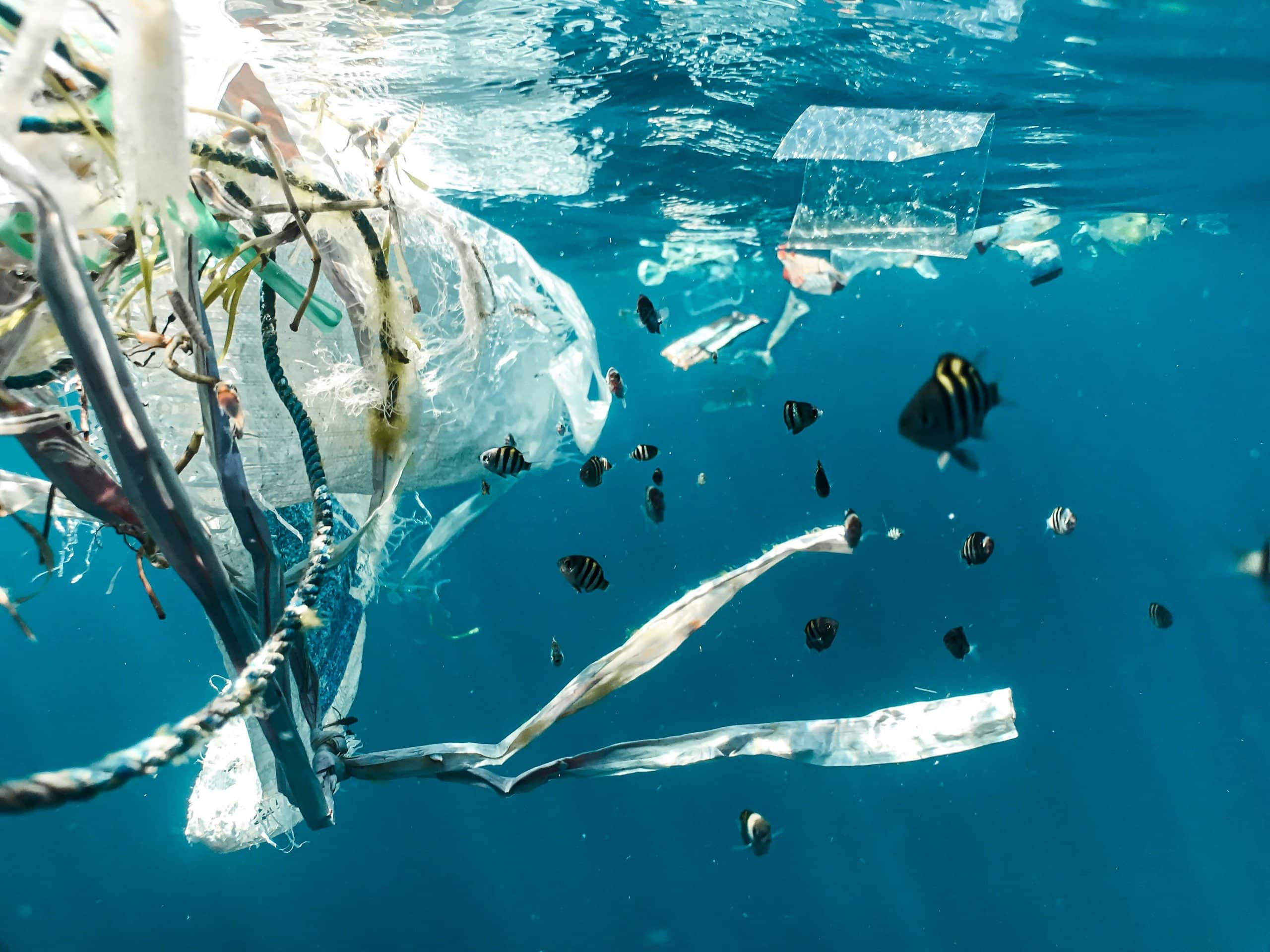
Waste reduction is crucial, especially in the new settings where the local waste management and recycling programmes might be different. The waste reduction starts with the “way we consume” and with the zero-waste approach, reusable packaging and minimal single-use plastic usage, we can at least familiarize the assignees with these practices and educate them on what is not only typical but also advisable to do in this regard.
2 Sustainable property and Energy consumption
Recognizing the substantial energy consumption of the property sector, more management companies are offering green-certified accommodations. These properties feature energy-efficient systems, contributing to reduced environmental impact. And even when we talk short-term relocation or business trips, many hotels offer green certifications already. However, it is also about how we consume electricity, water and other resources in general. Sustainable properties and more eco-friendly appliances are more energy efficient by default, but it is still about individual habits and “how long we let that tapped water run”.
3 Eco-Friendly Transportation
Encouraging the adoption of electric vehicles (EVs), hybrids, or other low-emission modes of transportation can significantly reduce carbon footprint. Promoting public transport, cycling, or walking further enhances sustainability efforts. Not all the options are available or represented in the respective locations, however in most cases, there is always a variety of options to consider when trying to decrease the individual carbon footprint.
Interventions and incentives – one size fits them all does not exist
When empowering assignees for bigger environmental impact, some might have higher internal motivations to act on their environmental values and incentives might not be even needed. But the individuals on the other side of the spectrum with low internal motivation must be incentivized much stronger for them to take action. Also, incentives might result in the desired action at the time of the relocation, however whether the assignee remains consistent in his actions in the next years to come also depends on many other factors.
When relocating, there is a huge potential for sustainable actions and the parent company might support his/her relocation process even more. One of the most common incentives might be:
Subsidizing sustainable packages or supporting their eco-choices might help the assignee to opt for the green option, especially when dealing with the lump sum. These subsidies can have a double effect of helping to decrease the Scope 3 emissions but also onboarding the assignee to a new journey of building more sustainable habits or at least considering doing certain things differently and with a bigger impact. Besides subsidies, reward programs and personal development in sustainability there are also financial rewards which might be tied to specific sustainability goals. The financial reward brings an aspect of gamification into the whole process and might be also a reasonable stimulus for certain employees.
All of us make choices which involve decisions about what and how we consume. And sustainability is not about stopping consumption, but more about the way we use the resources and the impact our actions might have. We have a shared responsibility to minimize our impact and companies with a globally mobile workforce can reduce Scope 3 emissions by shifting their relocation policy to encourage employees to choose more sustainable alternatives. While such companies have limited control over the availability of green housing options or the reach of recycling programs in each destination, sustainable transportation options (public transit, hybrids, EVs) are available across the developed world, and options are expanding rapidly in almost all destinations. With businesses shifting their focus to Scope 3 emissions, choosing a sustainable form of local transportation is a simple, practical step they can take toward achieving their sustainability goals.
Sources:
Image credits:
1. Photo by Justin Luebke on Unsplash
2. Photo by Algi on Unsplash
3. Photo by Naja Bertlold Jensen on Unsplash
.svg)


